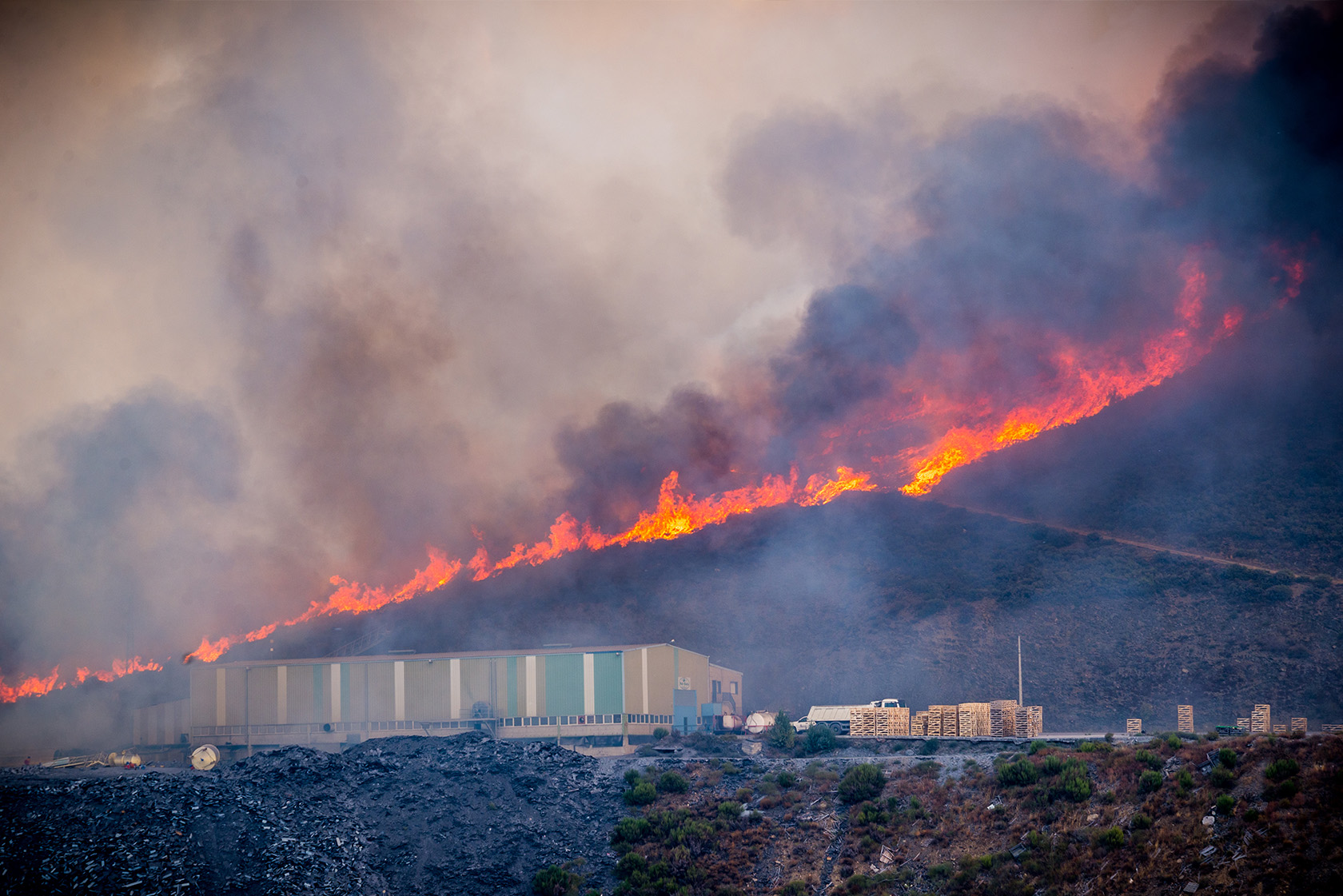
Natural disasters don't send a calendar invite. Wildfires, windstorms, flash flooding, and other emergencies can develop quickly, and the families and homeowners who fare best are almost always the ones who prepared before the crisis, not during it.
Southern California homeowners are no strangers to this reality. The region's unique geography brings a combination of fire risk, seasonal storms, and seismic activity, making emergency preparedness more than a good idea; it's a genuine necessity.
Homeowners searching for guidance are asking questions like:
- "What should I have ready before a natural disaster?"
- "How do I make a home inventory for insurance?"
- "What documents do I need in an emergency kit?"
If you have asked any of these, this guide is for you.
Step 1: Build Your Emergency Survival Kit
The foundation of any preparedness plan is having the right supplies on hand before you need them. Once a disaster hits, stores close, roads flood, and power goes out. Having these items ready in advance can make an enormous difference for your household.
Your emergency kit should include:
- Non-perishable food (canned goods, protein bars, dry snacks) for at least three days
- One gallon of water per person per day, stored in sealed containers for a minimum of three days
- A battery-powered, solar-powered, or hand-cranked radio for emergency updates
- Flashlights and extra batteries or fully charged battery packs
- A fully stocked first aid kit
- Personal hygiene items: toilet paper, wet wipes, hand sanitizer, etc.
- Extra clothing, blankets, and sleeping bags
- A multipurpose tool, duct tape, and a whistle
- Cash, spare keys, and important documents stored in a waterproof container
- Necessary medications and prescriptions
- A portable, charged cellphone and solar or battery-powered charger
- Filled propane tanks, a full gas tank in your vehicle, and coolers stocked with ice
- At least a three-day supply of food and medication for pets
For documents, think: identification, insurance policies, vehicle registrations, wills, an inventory of possessions, and your emergency evacuation plan. Having these in one waterproof location or backed up securely in the cloud can save significant time and stress when filing an insurance claim later.
Step 2: Create a Home Inventory Before You Need One
One of the most overlooked steps in disaster preparedness is maintaining a current inventory of your possessions. If your home sustains severe damage, a detailed inventory helps your insurance claim get settled faster, supports any tax-related loss reporting, and ensures you can accurately rebuild what you had.
To build and maintain a useful home inventory:
- Walk through your home and photograph or video each room, focusing on high-value items like electronics, appliances, and furniture
- Record make, model, and serial numbers for major items
- Keep receipts and invoices for significant purchases
- Store everything in a secure, accessible location; cloud storage or a fireproof safe works well
Update your inventory any time you make a significant purchase or renovation. Doing this once a year, perhaps around renewal time, is a practical habit that can pay off considerably in the event of a loss.
Step 3: Develop a Family Evacuation Plan
A survival kit matters little if your family does not know what to do or where to go. An emergency evacuation plan — communicated and practiced well before any disaster — gives every household member a clear role and reduces panic when time is short.
When building your plan, consider:
- Identifying multiple evacuation routes from your neighborhood, not just one
- Establishing a meeting point outside the potentially affected area, with the address written down and shared with everyone
- Assigning responsibilities: who grabs the emergency kit, who handles the pets, who is responsible for younger children or elderly family members
- Creating a communication plan so family members can reach each other if separated
- Accounting for household members with disabilities, mobility limitations, or medical needs
- Practicing the plan regularly so it becomes second nature
Southern California families in hillside communities, wildfire-adjacent zones, or flood-prone areas should map routes in multiple directions, as certain roads may become inaccessible during an emergency.
If Disaster Strikes: Filing an Insurance Claim Efficiently
Even with the best preparation, damage can occur. Knowing how to move quickly and accurately through the claims process helps you recover faster.
If you need to file a claim after a natural disaster:
- Contact your insurance agent or company as soon as possible to report damage and begin the process
- Document all damage immediately with photos and video, before any cleanup begins
- Keep a detailed list of affected items, cross-referencing your home inventory
- Hold onto all receipts for repairs, replacements, and temporary housing or living expenses
- Stay in close contact with your agent and respond promptly to any requests for documentation
The homeowners who navigate claims most smoothly are typically those who had a current inventory, their policy documents accessible, and a direct line to their agent from day one.
Preparation is Key During a Natural Disaster
Disaster preparedness is not about fear. It is about control. Taking a few hours now to build a kit, document your belongings, and plan your family's response puts you in a position of confidence rather than crisis when the unexpected happens.
Your insurance coverage is a critical part of that preparation, but it works best when paired with the documentation and planning that make claims accurate and efficient.
At Williams Insurance in Fullerton, we help homeowners review and strengthen their coverage before severe weather and emergencies put finances at risk. Call us at (714) 526‑5588 or visit williamsinsurancefullerton.com to schedule a policy review and make sure your coverage is as prepared as you are!
Request a Free Quote Today!
Our team is ready to help you.
Resources
We can help with any of your insurance needs, providing personal, commercial, life, and health insurance policies and advice.
Get a QuoteGet in Touch
Contact Us
Phone: (714) 526-5588
Fax: (714) 526-4487
Email: info@williamsinsurance.com
Our Location
609 N. Harbor Blvd.
Fullerton, CA 92832